
Affiliate note: Some links on this page are affiliate links. If you book through them, BookOutdoorTrips may earn a commission at no extra cost to you. This does not affect our editorial judgment. Learn more.
A Tokyo cooking class is only worth its place in a busy itinerary if you leave having done the task you came for. A class that teaches you to shape nigiri is different from one focused on cooking broth, folding gyoza or visiting a supermarket with a host. Define the skill, group and meal first.
Pick a sushi-making class for hands-on rice-and-roll assembly; choose ramen and gyoza for a longer kitchen workflow; consider a home-style session when a smaller setting and everyday ingredients matter most. Check who does the chopping/cooking, not merely whether the tour title says “hands-on.”
Disclosure: Some links on this page are affiliate links. If you book through them, BookOutdoorTrips may earn a commission.
Three formats, three different definitions of hands-on
byFood’s Tokyo cooking-class directory contains substantially different workshop settings. The examples below are listings—not tested classroom outcomes, guaranteed dates or an exhaustive ranking.
Skill-first comparison of named Tokyo classes (checked October 22, 2026)
| Option | Published task and setting | What to verify before paying |
|---|---|---|
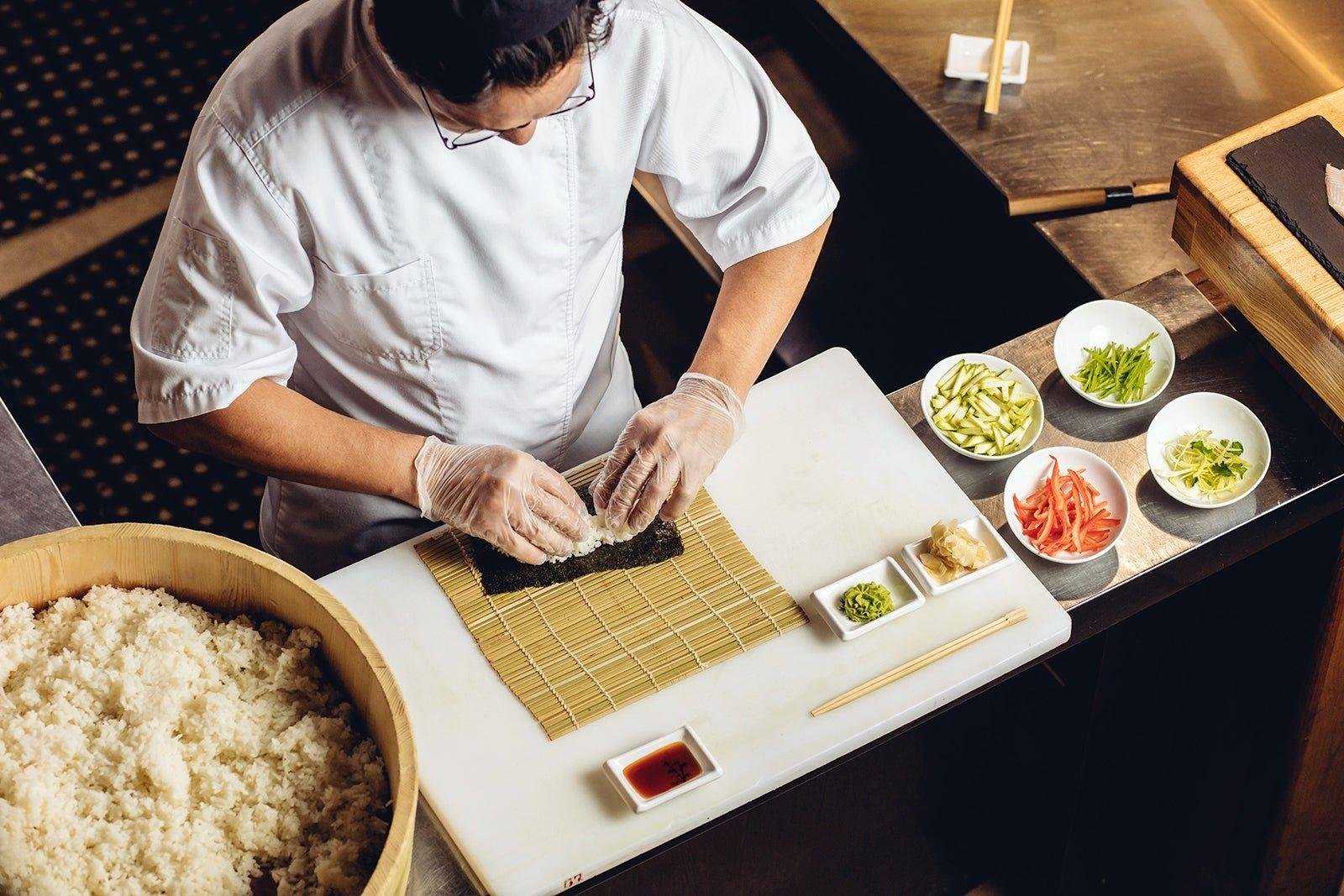
| Asakusa sushi assembly | The Asakusa sushi class describes making nigiri and maki, in English, followed by eating the sushi you prepared; two-hour listing. | Clarify knife work versus assembly, age/skill access, exact ingredients and requested diet modifications. |
| Ramen + gyoza cooking studio | The ramen and gyoza studio listing describes ramen toppings, broth and dumpling folding, with a three-hour duration and English instruction. | Ask which elements are prepared from scratch versus pre-made, how cooking stations are shared and what each participant personally does. |
| Home-style ramen + supermarket component | The home-kitchen class describes a Japanese home-cooking experience and a local supermarket visit; about two and a half hours. | If the market stop is essential, reconfirm it for your selected session; check exact accessibility, language and transport arrangements. |
How to identify a genuinely participatory class
Read the verbs in the itinerary. “Watch a chef demonstrate” and “make your own noodles” describe different products. For the three-hour ramen-and-gyoza example, the published outline mentions folding and pan-frying gyoza and preparing ramen components. That is stronger evidence of active practice than an unqualified “chef experience” label.
- Exact task: Are you rolling sushi, cooking rice, preparing stock, kneading dough, slicing toppings or mostly plating?
- Time on task: How much of the stated duration is introductions, eating, shopping or travel rather than cooking?
- Instructor access: How many participants share a station and how are beginners supported?
- Take-home value: Are English recipe notes or an ingredient shopping explanation actually included?
The menu-and-diet problem is more specific than a filter
The Asakusa sushi listing says guests should notify the host at booking for vegan, vegetarian, halal, kosher, gluten-free or other listed adaptations; ingredients cannot be adjusted on the day. This proves only that host’s stated options. It does not certify the room as allergen-free or make the same menu available at every Tokyo sushi school.
A different vegetarian sushi-class page displayed “booking is currently not available” when inspected, despite showing recipe and access information. A promising format in search results is not proof that it can be booked on your travel date. People with a serious allergy should ask about shared worktops, sauces, oils and cross-contact before making a payment decision.
“Vegetarian,” “halal,” or “gluten-free option” may refer to ingredients, not to independently verified kitchen controls. Request written confirmation of the exact menu, substitutions and cross-contact procedures from the specific host. If answers are inadequate, select a different class or a non-cooking food experience.
Time, access and group format: the hidden differences
A two-hour sushi class is often easier to pair with sightseeing than a three-hour ramen workshop, but the schedule still needs the journey to the venue and time to check in. The Asakusa example advertises a potentially large class capacity, whereas the ramen studio example lists a maximum of six guests. Capacity alone does not establish actual attendance, attention per guest or a superior learning outcome.
Compare public versus private options for the real party size. A private session may be worthwhile if you need a slower pace or multiple dietary adaptations, but never assume it can be arranged or that the same price applies until the host confirms. Accessibility labels are also activity-specific; ask about doorways, worktop heights, seating and toilets, not just wheelchair tags.
Where your money goes and what can change
Use total class cost = date-specific checkout total + venue transport + optional extras. If a class bundles a meal, determine whether that meal replaces lunch or is just the portions you produce. If alcohol pairing, market shopping or take-home materials are important, read the inclusions explicitly rather than relying on the title.
Cancellation conditions are host-specific. The Asakusa sushi example currently displays a 24-hour advance full-refund cutoff, while the ramen studio example displays two days. byFood’s guest FAQ also distinguishes instant bookings from host-approved requests; save the final confirmation and meeting instructions.
Want a photogenic, bounded rice-assembly lesson → select a confirmed sushi session with your required ingredients. Want cooking techniques you can rehearse at home → look for stated broth, dough and dumpling tasks. Want everyday shopping context and an intimate setting → inspect a home-style session, but only when the extra visit and language details are confirmed.
What to ask before you reserve
- Which steps will each guest perform personally, and which are demonstration only?
- What is the exact menu, meal size and available substitution for my date?
- Is the teaching language English throughout; are recipes provided afterward?
- What is the maximum class size and how many workstations are used?
- Do the venue access, minimum age and safety arrangements fit everyone attending?
- When is payment confirmed, what is the refund deadline and where is the meeting point?
The named classes above are evidence and comparison links. To browse the merchant’s wider catalog using the supplied publisher link, use the homepage CTA below; we have not assumed an approved affiliate deep-link mechanism.
Explore Tokyo cooking classes on byFood
Class formats and listed host policies were checked against individual byFood experience pages and its guest guidance on October 22, 2026. No class was attended, no live date-level checkout was verified, and host pages can change. This is a selection framework, not a personal hands-on test or price guarantee.